Identity locked
Write chemical name, CAS if known, form and requested assay. If you will accept beads or flakes, say so as two options, not one blended line. Molecular weight of NaOH is a teaching fact; it does not replace assay.
RFQ Planner · manufacturer questions
Stack the identity, documents and internal approvals on this planner before a mill conversation starts. Every field is a purchase decision, not an environmental pledge. No carbon, net-zero or circular-economy claim is made here.
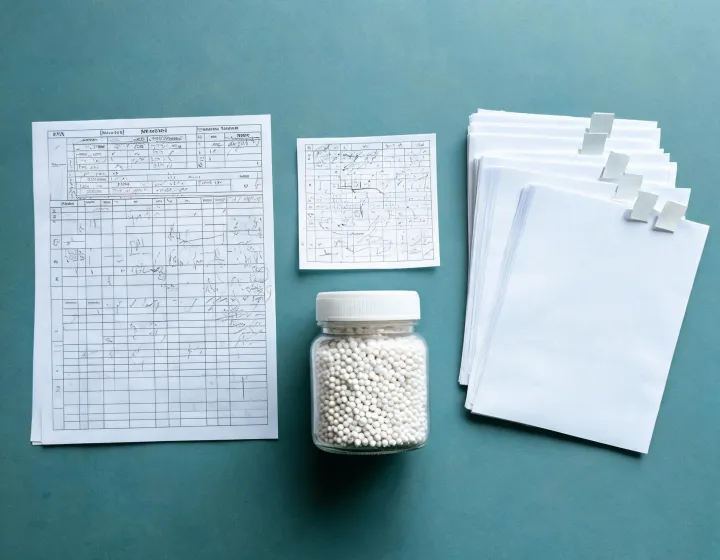
Write chemical name, CAS if known, form and requested assay. If you will accept beads or flakes, say so as two options, not one blended line. Molecular weight of NaOH is a teaching fact; it does not replace assay.
List SDS, TDS, CoA analytes, and any TSCA or transport statement you will require. Mark each as required, optional or not applicable so a factory is not guessing.
Identify who inside your company signs specification, EHS and commercial release. A sourcing desk cannot stand in for those names.
These checkpoints are a buyer worksheet. They are not factory KPIs, audited ESG goals or proof that a manufacturer already passed a visit. If a field is unknown, keep it unknown until a quoted lot exists.
It cannot calculate landed duty, cannot classify hazardous waste, and cannot tell you whether a food-grade narrative on a website applies to the lot you will receive. Active content, solids content and viscosity belong to other chemical families; do not paste them here unless the quoted product is not caustic soda.
Ask whether the manufacturer, a toller or a third lab signs the certificate. A distributor reprint should cite the producing site for the offered lot.
Request how the factory identifies batches and how long CoA values remain associated with that identity. Do not treat a typical TDS as a lot certificate.
If the plant cannot make the bead size you asked for, it should quote the alternative separately with its own assay and packaging, then wait for your approval.
On-site neutralization procedures, worker training and local permit filings stay with destination-side professionals. The RFQ can ask for SDS and packing details only.
Paste the locked identity, open document items and destination. We will use that text as the comparison basis, not as a claim that any manufacturer is already selected.
BUYER SUPPORT / FIRST ORDER
Compare quotes from up to 3 factories
FREE basic specification and sourcing-requirements review
Eligible first orders may receive up to 3%
Eligibility applies to qualified business buyers and is confirmed after we review your product, quantity, destination, and sourcing requirements. Final commercial terms depend on supplier confirmation, product type and order value.